
The Nauru ECRCP Program Details outlines an innovative approach to address various critical environmental challenges facing Nauru, a small island nation in the Pacific Ocean. This article delves into the specifics of the program, its goals, implementation strategies, and anticipated outcomes, highlighting the importance of community involvement and sustainability.
Thank you for reading this post, don't forget to subscribe!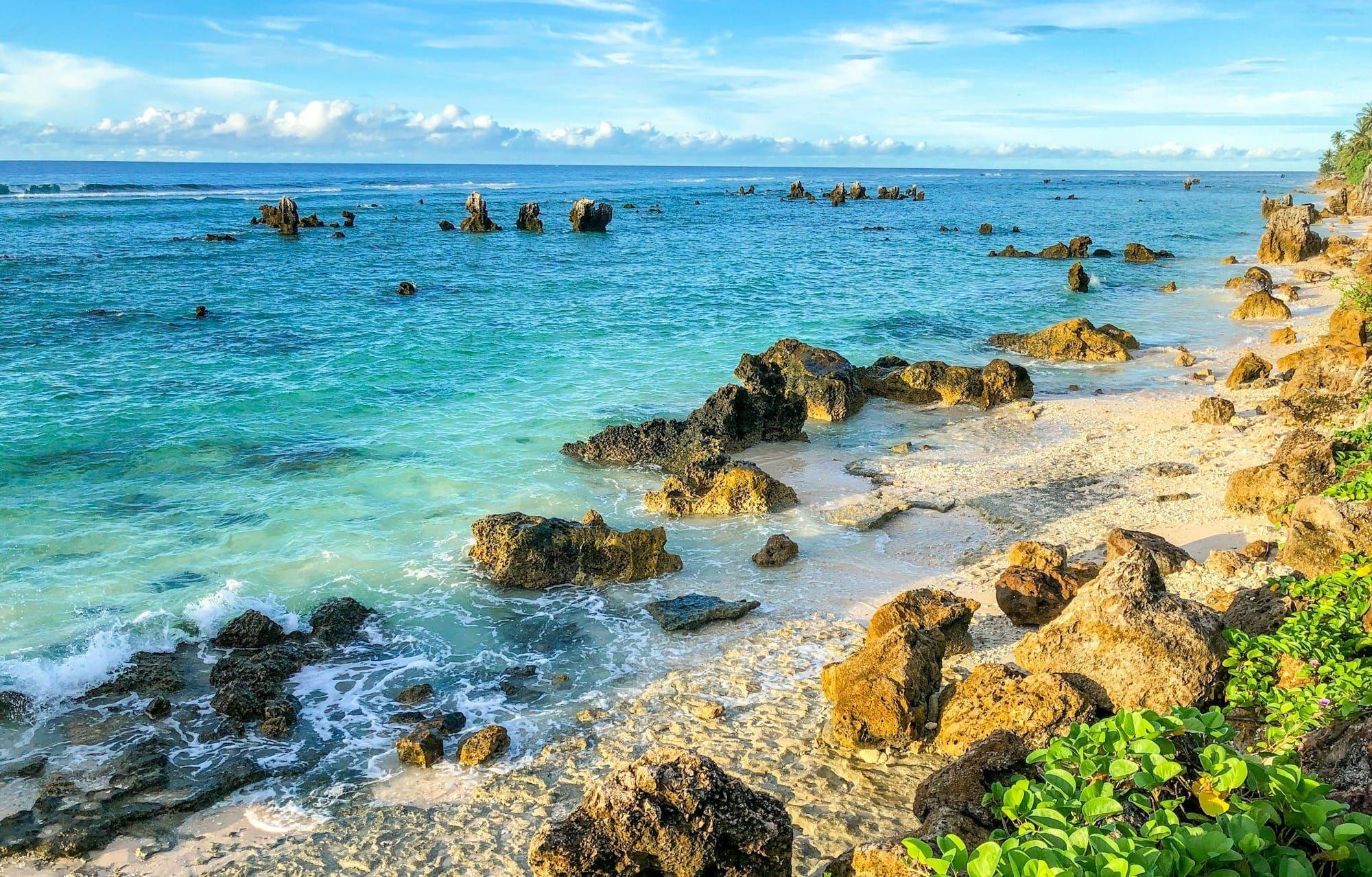
Introduction to the Nauru ECRCP Program
As climate change and environmental degradation continue to pose significant threats, island nations like Nauru are particularly vulnerable. The Nauru Environmental and Climate Resilience Capacity Program (ECRCP) is an initiative designed to build resilience against these environmental challenges. Launched with the collaboration of various stakeholders, the Nauru ECRCP aims to enhance the capacity of local communities and institutions to adapt to changing climatic conditions while promoting sustainable development.
Objectives of the ECRCP Program
The primary objectives of the Nauru ECRCP Program are multifaceted. Firstly, the program seeks to strengthen the adaptive capacity of Nauru’s communities. This includes enhancing knowledge and skills related to climate resilience and environmental management. Secondly, the ECRCP aims to improve the infrastructure necessary for climate resilience, ensuring that essential services are maintained even in the face of climate-related challenges. Lastly, a key goal is to promote sustainable practices among local businesses and agricultural sectors, thereby reducing environmental impact and enhancing food security.
Key Components of the Nauru ECRCP
The Nauru ECRCP is structured around several key components that collectively contribute to its overall objectives:


1. Capacity Building and Training
A significant portion of the ECRCP focuses on capacity building. Workshops, training sessions, and educational programs are organized to equip community members with the necessary skills to address environmental challenges. This includes training in sustainable agriculture, resource management, and disaster preparedness.
2. Infrastructure Development
To ensure that Nauru’s infrastructure can withstand climate-related disasters, the ECRCP undertakes projects aimed at upgrading existing facilities and constructing new, resilient structures. This may involve improvements to drainage systems, roadways, and public buildings to mitigate the impacts of heavy rainfall and flooding.
3. Environmental Management and Conservation
An essential aspect of the program is the promotion of sustainable environmental practices. The ECRCP encourages the conservation of local ecosystems, such as coral reefs and coastal areas, which are vital for biodiversity and community livelihoods. Projects may involve reforestation, marine conservation, and pollution reduction initiatives.
4. Policy Development and Advocacy
The ECRCP also aims to influence policy at local and national levels. By advocating for climate-smart policies, the program seeks to ensure that environmental considerations are integrated into all aspects of governance and development planning. This includes fostering collaboration between government bodies, NGOs, and the private sector.
Community Engagement and Participation
One of the hallmarks of the Nauru ECRCP is its emphasis on community engagement. Local participation is crucial for the program’s success, as it fosters ownership and ensures that initiatives are aligned with the needs and priorities of the community. Community members are actively involved in decision-making processes and implementation of projects, ensuring that solutions are culturally relevant and sustainable.
Challenges and Opportunities
While the ECRCP presents a robust framework for addressing environmental challenges in Nauru, it is not without its challenges. Limited financial resources, capacity constraints, and the need for sustained political commitment can hinder progress. However, opportunities for collaboration with international organizations, regional partners, and NGOs can bolster resources and expertise, helping to overcome these obstacles.
Anticipated Outcomes
Through the implementation of the ECRCP, Nauru aims to achieve several key outcomes. These include improved community resilience to climate impacts, enhanced biodiversity conservation, and sustainable economic development. Additionally, the program seeks to empower communities, ensuring they have the knowledge and tools needed to adapt to future environmental changes.
Conclusion
The Nauru ECRCP represents a comprehensive approach to addressing the complex interplay of environmental, social, and economic factors that contribute to climate vulnerability in Nauru. By focusing on capacity building, infrastructure development, and community engagement, the program not only aims to combat the immediate effects of climate change but also fosters a sustainable future for generations to come. The successful implementation of the ECRCP will set a precedent for other island nations facing similar challenges, demonstrating the power of resilience through collaboration and innovation.
Final Thoughts
As Nauru embarks on this critical journey, the ECRCP serves as a vital framework for action. It encapsulates the spirit of resilience and adaptability that defines island communities. With continued support and engagement from all stakeholders, Nauru can navigate the uncertainties of climate change and chart a path toward a sustainable and prosperous future.