
Exploring the Landscape of UK Horse Racing: Why It’s Not Always on
Horse racing is often referred to as the sport of kings, a thrilling spectacle that brings together fans, trainers, and jockeys in an exhilarating display of speed and skill. However, there are periods when racing is not on, influenced by various factors. In understanding the scheduling of horse racing in the UK, one must consider everything from regulatory frameworks and seasonal weather patterns to economic implications and the impact of major events. One resource that dives into aspects of mounted policing in relation to these events is UK horse racing not on GamStop merseysidepolicemounted.uk. This article aims to explore why UK horse racing does not always take place, the significance of off periods, and how they affect the broader landscape of equestrian sports.
Thank you for reading this post, don't forget to subscribe!The Structure of UK Horse Racing
The UK horse racing calendar is extensive, featuring events that range from local meets to world-renowned races like the Grand National and Royal Ascot. Typically, the racing year is divided into jumps and flat racing seasons, with each having its own timeline and types of events. Jump racing usually occurs from late autumn to spring, while flat racing runs primarily in the summer months. However, even with this structured timeline, there are specific instances and reasons when horse racing may be temporarily suspended.
Weather-Related Cancellations
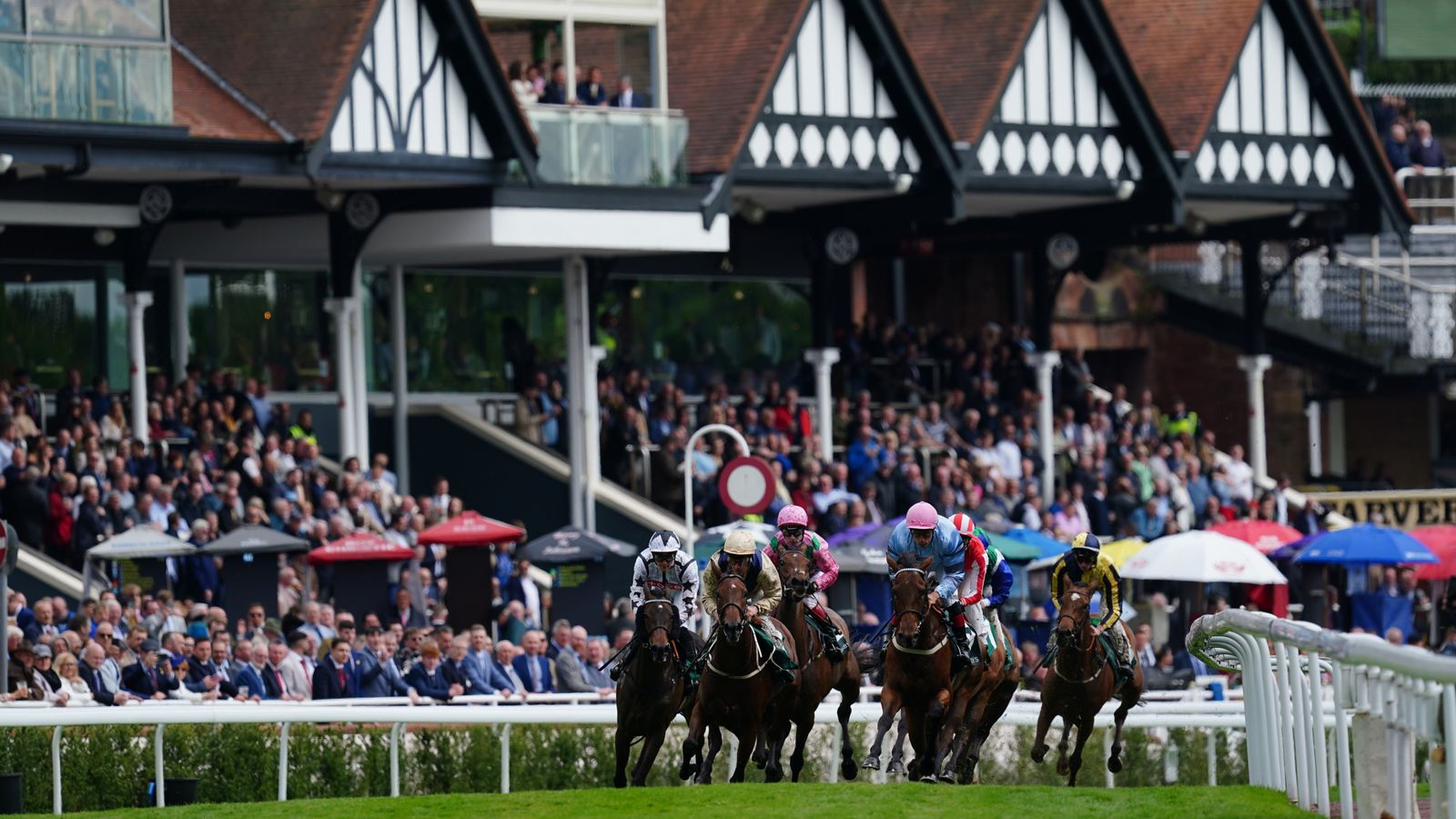
One of the most common reasons for the cancellation of horse racing events in the UK is severe weather. The British climate can be unpredictable, and safety concerns for both the horses and riders lead to the cancellation of races when conditions become dangerous. Heavy rain, snow, or frost can render tracks unsafe and unmanageable. Racing authorities prioritize welfare, and if the ground is deemed unsuitable, races will be postponed or canceled.
Regulatory Framework and Safety Protocols
The British Horseracing Authority (BHA) sets the rules for racing in the UK, and safety forms a crucial part of these regulations. If track conditions fail to meet safety standards, the BHA has the authority to cancel racing events. On top of that, incidents concerning horse welfare or integrity investigations can lead to suspensions in racing. The regulatory framework ensures that the sport is conducted fairly and ethically, but it can also mean that racing is momentarily halted in certain circumstances.
Economic Factors and Industry Impacts
The economic landscape also affects horse racing schedules. Funding for races often depends on attendance and betting revenues. Major events are designed to attract large crowds and sponsorships, while lesser-known races might struggle to entice viewers, leading to potential cancellations. Economic downturns or changes in public interests can lead to reviews of the racing calendar, where organizers might decide to reduce the number of events held in a given year for financial viability.
The Role of Major Events
High-profile events like the Grand National act as a focal point for horse racing enthusiasts. While these events attract significant attention and revenue, they also dictate other parts of the racing calendar. Races leading up to major events often serve as qualifiers or preparatory events, creating a ripple effect across the entire racing ecosystem. If any major event is rescheduled or canceled, it can reverberate throughout the racing community, leading to more cancellations or rescheduling of minor events.
The Impact of Cultural and Social Contexts
Horse racing is deeply embedded in British culture and society, with events functioning as social gatherings as well as sports. Cultural shifts can influence attendance and participation in racing events. If interest wanes due to changing social dynamics, racing authorities may need to reconsider the viability of certain events, leading to lapses in the racing calendar. Moreover, public sentiments during significant events, such as national observances or funerals, can contribute to the decision to pause racing in respect for the occasion.
The Future of UK Horse Racing Schedules
As the landscape of sports continues to evolve, horse racing in the UK must adapt. Innovations in technology, changes in consumer behavior, and shifts in societal expectations all play a role in the development of racing schedules. The industry is actively exploring new ways to engage audiences, reduce cancellations, and ensure the sport remains sustainable. This includes integrated betting options, enhanced media coverage, and initiatives aimed at promoting horse welfare and the sport itself.
Conclusion
While UK horse racing is a cherished tradition, there are multifaceted reasons behind the times when racing is not on. From weather-related cancellations to the regulatory environment and economic considerations, a myriad of factors influences the racing calendar. The future of UK horse racing will depend on the ability of stakeholders to navigate these challenges, ensuring that the sport not only survives but thrives in a changing world. Whether it’s addressing safety concerns, adapting to the cultural zeitgeist, or enhancing economic viability, the journey ahead promises to be as dynamic and exciting as the racing itself.